
The Hawaii Vibrant Food and Culture.
The Aloha State of Hawaii is a paradise of volcanic forms and turquoise beaches and this specific harmony is reflected in the cuisine. Hawaiian food, with its origins in ancient Native Hawaiian medicine of sustainable fishing, taro farming, and communal sharing has been enriched by the immigrant wave of Japanese, Chinese, Korean, Filipino and Portuguese immigrants who came to Hawaii in the 19 th and 20 th century to work in the plantations. The outcome is a new tasting and time-honored fine blend of seafood, rice, tropical fruits, and a mix of bold seasonings, topped with the theme of **ohana (family) and aloha (love and compassion).
Whether it is the beautiful simplicity of fresh poke, the joyful tablefulness of a traditional luau, the home feel of a plate lunch, or the coolness of shave ice; each dish hails the multicultural heritage of the islands, ocean plenitude, and appreciation of the land (ʻāina). Whether you are enjoying ahi tuna amid waving palms or eating kalua pig on sunset, the Hawaiian food welcomes you to experience the souls of the islands.
Here is a gorgeous pictures of the most popular dishes in Hawaii to really arouse your appetite:
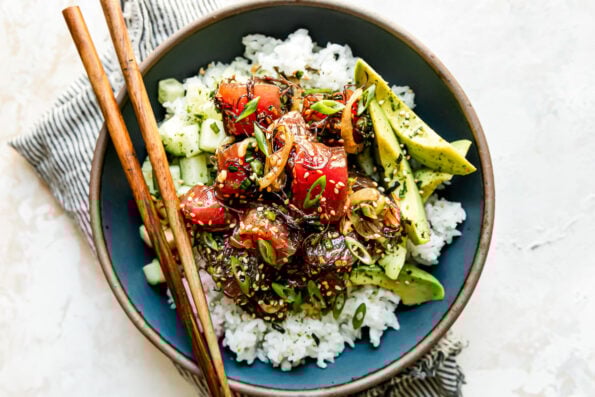
Ahi poke bowl is a recent genre of Hawaiian food; it is a staple of the local restaurants and is often seen as a refreshing snack to enjoy after a long day.
![Classic Cuban sandwich in Tampa] (https://playswellwithbutter.com/wp-content/uploads/2022/12/Ahi-Tuna-Poke-Bowls-15-595x397.jpg)
Poke: Raw Fish Perfection
The final kind of expression of fresh island seafood is poke (pronounced poh-keh) which simply means to slice something in Hawaiian. Native Hawaiians traditionally marinated the raw fish with sea salt, inamona (candlenut) and limu (seaweed). The contemporary poke bowls have cubed ahi (yellowfin tuna) or tako (octopus) marinated with soy sauce, sesame oil, green onions, and chili peppers with either rice or greens.
To begin with, there is Honolulu on Oahu. To get a taste of the poke as the locals do, go to such local favorites as Ono Seafood (Kaimuki area, some 5 miles away, Waikiki) to taste unadulterated no-frills poke, or go to such supermarkets as Foodland (various locations) to get fresh, high-quality poke. Soy-based, spicy ahi, or Hawaiian with limu and inamona are all good options to try. The most important is sustainable sourcing as most spots are using locally caught fish.
The following are colorful images of fresh ahi poke bowls and traditional Hawaiian poke:
Luau Feasts: Traditional Feasts.
Luaus started as ancient Hawaiian parties to venerate community and gods; nowadays, they are an demonstration of a cooking process popular in ancient Hawaii but today known as imu (underground oven). The main dish is the kalua pork a whole pig that is low-roasted in the imu to richness in the smoky essence. Other staples are **laulau, pork and butterfish wrapped in ti leaves and steamed, poi, pounded taro root, starchy and slightly fermented, lomi lomi salmon, diced salmon and tomatoes and onions and haupia, coconut pudding.
To have a true luau in the real sense visit the recently renovated, and highly regarded, Polynesian Cultural Center on the North Shore of Oahu (approximately 45 miles, or a 1-hour drive) with their Ali’i Luau, or attend the less formal, yet traditional, Old Lahaina Luau on Maui (West Maui resort area).
These are beautiful photos of a luau feast including kalua pork, poi and imu cooking:
Plate Lunch: Comfort on a Daily Basis.
The plate lunch is the Hawaiian dish of dreams two scoops of white rice, the macaroni salad, and an entrée. It was developed as bento style lunch of plantations workers. Among the favorites are; kalua pork, teriyaki beef, chicken katsu or the mythical loco moco (hamburger patty, rice, fried egg, brown gravy).
Honolulu (Kapahulu area, about 3 miles out of Waikiki) Rainbow Drive-in is a vintage location. **L&L Hawaiian Barbecue chains are sellers of authentic plate lunches throughout the state. Spam musubi- grilled Spam on rice wrapped in nori- is a fusion of Japanese onigiri, popularity of Spam during WWII and is an ideal grab-and-go snack.
Here are pictures that are hearty of classic plate lunches and Spam musubi:
Sweets and Refreshments
Shave ice (not shaved ice) is a snowy fine shaving product that drizzles tropical syrups frequently topped with frozen ice cream and azuki beans. The gold standard for shave ice is the Matsumoto Shave Ice in Haleiwa (the North Shore of Oahu, 30 miles north of Honolulu) the place where lines are made to sell.
Malasadas, hot, sugared or filled Doughnuts of Portuguese make are a must since the Leonard’s Bakery in Honolulu (they have Kaimuki and Kapahulu locations). There are fresh tropical fruits such as pineapple, papaya and mango.
Below are pictures of refreshing colorful shave ice and hot malasads:
Regional Specialties
On the Big Island 14 enjoy the renowned Kona coffee; deep, silky, and cultivated on volcanic slopes. Maui sells banana bread (sweet, moist, chocolate chips or nuts). Asian influences glisten in manapua (steamed buns with pork and saimin (noodle soup with Spam, fish cake and green onions).
Fresh, fusion, and full of aloha, Hawaiian food is about to be eaten! Share a plate, taste the spirit of the island, and use the cuisine to guide you to the heavenly place!
Conclusion
Hawaii is all warm, vibrant and welcoming their food and culture just like the islands. The spirit of aloha which means love, compassion and respect of the land and to one another is reflected in the very freshness of ahi poke, the communal celebratory of a traditional luau, the simple comfort of a plate lunch, the sweetness of shave ice or the richness of Spam musubi. Hawaii is beckoning you to taste its soul be it you are having kalua pork during sunset on the Big Island and sipping Kona coffee or having a meal of malasada in Honolulu. Now go and stuff your faces, slow down the Aloha Island, and have the Aloha State feed your body and soul one delicious bite at a time! (94 words)
Disclosure
This article communicates generic tips on enjoying popular experiences of food in Hawaii. None of the sponsorships or affiliate links emerged. It is always important to verify the latest hours, availability seasonally, and reservation.
About the Author
Travel Explorer is an ardent food explorer who is obsessed with finding out the stories behind local foods. Subscribe to more American food guides!